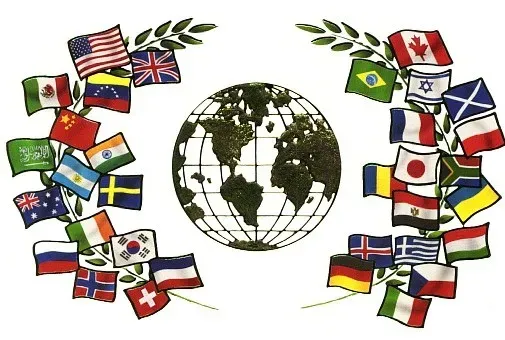
Global diplomacy and international policy sit at the crossroads of national ambition and shared responsibility, shaping how governments project power, manage risk, and cultivate legitimacy in a tightly interconnected world where decisions made in cabinet rooms, diplomatic lounges, chancelleries, and international forums reverberate through markets, affect supply chains, influence regional security architectures, and set the tone for early warning and crisis response.In an era defined by rapid information flows, multipolar competition, transnational challenges, and the accelerating pace of strategic change, policymakers must balance strategic resolve with prudent restraint, transparency with measured domestic confidentiality, and the urgency of immediate needs with a disciplined, long-term vision that actively engages civil society, industry, think tanks, and regional partners in a shared purpose larger than any one state.