
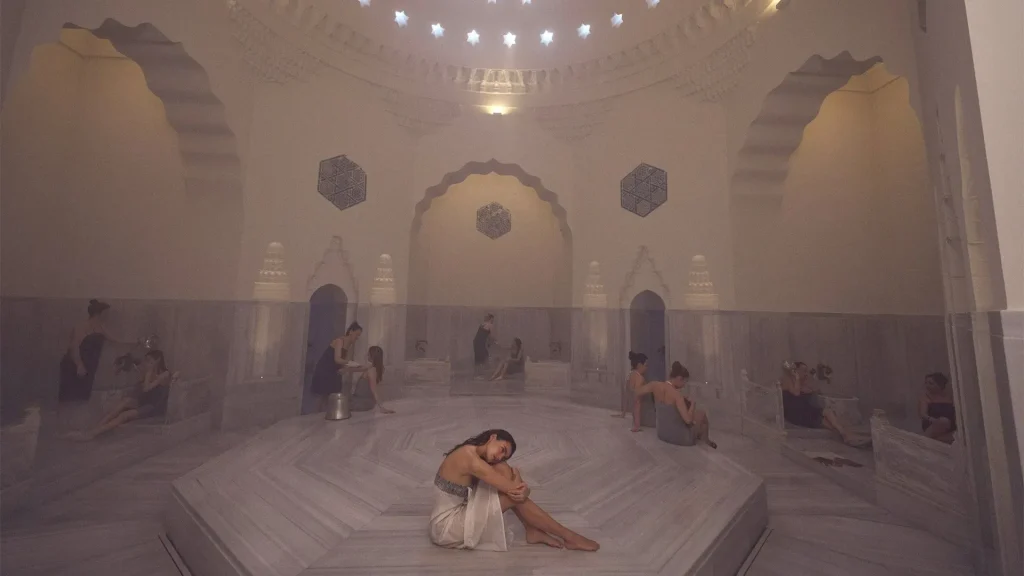
Turkish Bath 101 invites you into a centuries-old ritual where warmth, water, and social etiquette merge to refresh the body and calm the mind, transforming a simple bath into a meaningful cultural experience. As you step into the cleansing journey, you’ll discover how Hammam rituals guide breath, posture, and gentle, respectful contact while steam softens the skin and primes you for deeper cleansing and renewal. Understanding the Benefits of hammam reveals how this tradition supports skin renewal, improved circulation, stress relief, and a lingering sense of well-being that many visitors carry long after leaving the marble warmth. From arrival and preparation to the sequence of warm rooms, exfoliation with a kese, and a soothing soap-and-massage finale, the Turkish bath unfolds as a carefully choreographed ritual that blends architectural grandeur with intimate self-care. By embracing etiquette, modesty, hydration, and patient pacing, you participate not just in a treatment but in a shared heritage that invites you to slow down, breathe deeply, and return home with a lighter spirit.
Beyond the surface of a steam bath, the practice reflects a velvet tradition that blends Ottoman architectural flair with modern spa care, offering a meditative cleanse adaptable to different cultures. Instead of focusing on a single treatment, picture a cycle through warmer spaces that echoes Turkish spa traditions. In this woven experience, attention to etiquette and modesty remains key, while practitioners adapt pressure and technique to contour the body and soothe the senses. A visitor-friendly overview might mention the essential steps—steam, scrub, soap, and massage—without losing the sense of ritual that makes the Turkish bath a communal, culturally rich wellness practice. Whether you’re a curious traveler or a local seeking a heritage-inspired recharge, your journey through this cleansing tradition offers insight into centuries of care, hospitality, and shared renewal.
Understanding Hammam Rituals: Core Stages of the Turkish Bath Experience
Hammam rituals are more than a routine; they are a curated sequence of spaces, temperatures, and social cues designed to cleanse, relax, and recalibrate body and senses. From the moment you arrive, the ritual invites you into a shared, contemplative pace where warmth begins to soften the skin, pores open, and breathing settles into a mellower rhythm. Across many Turkish spa traditions, the journey unfolds through a succession of rooms that guide the body from mild warmth to intense heat, then toward cleansing with soap and a massage, and finally to rest and hydration. The aim is to restore balance as much as to purify the skin, turning a visit into a mindful ceremony rather than a quick service.
As you progress, you’ll encounter the hallmark stages: a warm room where steam and soft light ease you in, a hotter chamber that encourages perspiration, a kese exfoliation to remove dead skin, a lath-and-soap wash with a soothing massage, and a final rinse followed by a quiet rest. Each phase has its own rhythm and purpose, designed to open pores, stimulate circulation, and invite relaxation. Trained attendants, often called derman, perform the scrub and massage with practiced technique, balancing pressure with comfort so you can fully engage with the Turkish bath experience and its holistic benefits.
Etiquette and Preparation: A Traveler’s Guide to Hammam Etiquette and Turkish Spa Traditions
Respectful etiquette is the basis of a comfortable hammam session. Guests typically wrap in a towel or robe, wear flip-flops, and follow the facility’s rules on modesty and privacy, which vary by venue. Introducing yourself to the staff, letting them know if you have sensitive skin or preferred pressure, and modestly declining photos helps maintain a respectful atmosphere and aligns with broader Turkish spa traditions. Hydration is essential, so drink water before and after and move at your own pace to honor the rhythm of the space.
Timing matters too: the ritual is a slow, meditative procession rather than a race, and attendants coordinate the flow of steps so you can enjoy each moment. Tipping attendants after the kese scrub or massage is common in many places, and discreetly doing so supports the skilled work of the therapists. By embracing Hammam etiquette, you elevate the experience for yourself and others and prepare for a richer Turkish bath experience overall.
Architectural and Cultural Soul: Turkish Spa Traditions and the Hammam Experience
The architecture of a hammam embodies Turkish spa traditions: polished marble surfaces, arched ceilings, central drains, and a progression of chambers that nurture warmth and cleanliness. The design is not merely aesthetic; it directs airflow, temperature, and water flow to support a phased cleansing ritual. Across regions, this enduring setup has shaped the hammam ritual into a social and ceremonial practice that connects strangers through shared ritual and steady, respectful pace.
Beyond the physical rooms, the cultural role of the hammam endures as a communal hub where stories are exchanged, friendships formed, and seasonal rites observed. The Turkish bath experience is as much about connection as cleansing—the sense of calm after heat, the renewed skin, and the subtle bond formed through a moment of collective quiet. This heritage informs how modern facilities blend tradition with contemporary comfort, preserving the essence of Hammam rituals in a living cultural tradition.
Benefits of Hammam: Physical, Mental, and Skin Wellness
Numerous benefits are attributed to hammam rituals, from improved skin health through exfoliation and cleansing to enhanced circulation as sweat and massage soothe muscles. The warmth and steam open pores, promote relaxation, and help ease tension in the neck and shoulders. Many visitors describe a sense of mental calm that lingers after the session, making the hammam a practical complement to mindful wellness routines and a source of stress relief that aligns with the broader benefits of hammam and Turkish spa traditions.
While the effects are favorable, care is essential: stay hydrated, monitor skin sensitivity, and avoid overexposure if you have certain medical conditions or during pregnancy. People with heart conditions or recently shaved skin should inform staff to tailor the experience, and always listen to your body. When done responsibly, the hammam ritual offers a holistic path to detoxification, relaxation, and renewed vitality—an integrated approach to health and well-being.
Turkish Bath 101 for Beginners: What to Expect and How to Maximize Your Turkish bath experience
Turkish Bath 101 introduces a timeless ritual that blends warmth, water, exfoliation, and touch into a cohesive experience. You’ll move through spaces at a measured pace, feel the heat rise, and participate in the kese scrub, soap foaming, and massage that define the traditional journey. Understanding the sequence helps you engage with Hammam rituals more fully and appreciate the Turkish bath experience as a culturally rich practice rather than a simple spa treatment.
To maximize your visit, plan ahead: arrive early to acclimate, bring a towel and sandals, ask questions about local etiquette, and communicate your comfort level and any sensitivities. Hydration before and after, along with resting between steps, supports your body through the heat and steam. By embracing the core Turkish spa traditions and the mindful rhythm of the ritual, beginners can enjoy a safe, relaxing, and deeply rejuvenating hammam session.
Frequently Asked Questions
What is Turkish Bath 101 and how does it introduce Hammam rituals?
Turkish Bath 101 is a beginner’s guide to hammam rituals. It explains the Turkish bath experience as a sequence of warm to hot rooms, exfoliation with kese, and a soap and massage finale, framed within Turkish spa traditions and etiquette. The guide highlights the stages such as arrival, warm room, hot room, exfoliation, foaming soap, and rinse, and explains why the ritual is both cleansing and calming.
What are the core Hammam rituals described in Turkish Bath 101?
From arrival and preparation through the indulgent stages, the core hammam rituals include the warm room, hot room, exfoliation with kese, foaming soap and massage, and a final rinse and rest. Each stage prepares the skin and senses for the next, reinforcing traditional Turkish spa traditions and the social rhythm of the bath.
How does Hammam etiquette in Turkish Bath 101 shape the Turkish spa traditions during a visit?
Hammam etiquette covers modesty and draping, tipping, staff interaction, and pacing, all of which help create a respectful Turkish bath experience. Following these etiquette guidelines aligns with Turkish spa traditions and ensures comfort for all guests.
What are the Benefits of hammam highlighted in Turkish Bath 101, and how can you maximize the Turkish bath experience?
Turkish Bath 101 notes Benefits of hammam such as improved skin health, better circulation, relaxation, and a sense of renewal. To maximize the experience, stay hydrated, listen to your body, and follow post-hammam care like moisturizing and resting.
What should first-time visitors know about the Turkish bath experience according to Turkish Bath 101?
First-time visitors should know what to expect from traditional hammams versus modern spas, what to wear or bring, and how to pace the ritual. Turkish Bath 101 suggests arriving early, asking questions, and respecting local customs to enjoy the Turkish bath experience.
| Aspect | Key Points |
|---|---|
| What is a Hammam? | A traditional steam bath rooted in ancient cleansing traditions, refined in the Ottoman era, featuring a sequence of warm to hot rooms, steam, exfoliation, and a soap-and-massage finale; architecture often includes marble surfaces and central drains, with the goal of cleansing and restoring balance of body and spirit through a guided, communal experience. |
| Core Ritual Stages | A typical hammam progresses through Arrival and Preparation, Warm Room, Hot Room, Exfoliation with a kese, Foaming Soap and Massage, then Rinsing, Hydration, and Rest. |
| Kese Exfoliation | Exfoliation with a kese (rough glove) performed by a trained attendant to remove dead skin, stimulate circulation, and refresh the skin. |
| Foaming Soap & Massage | Soap is lathered and the body is cleansed, accompanied by a gentle massage to ease tension and improve circulation. |
| Rinsing & Rest | A thorough rinse follows (warm or cool water), hydration is encouraged, and guests rest briefly to integrate the experience. |
| Etiquette & Safety | Modesty and draping, tipping, polite communication with staff, mindful pacing, privacy, and photography considerations. |
| Health Benefits | Potential benefits include improved skin health, enhanced circulation, and relaxation; stay hydrated and beware skin sensitivity or medical conditions. |
| Choosing a Hammam | Traditional hammams offer ceremonial, historic experiences; modern spas provide flexible options—consider atmosphere, cleanliness, and staff for the best experience. |
Summary
Turkish Bath 101 invites you into a timeless hammam ritual where heat, water, exfoliation, and human connection intertwine to cleanse the body and calm the mind. From its origins in Turkish and broader Middle Eastern culture to the ceremonial sequence and etiquette that shape the experience, a Hammam blends physical cleansing with social and spiritual renewal. Understanding the core stages helps you navigate the process with confidence, while mindful attention to hydration and comfort ensures safety and enjoyment. Respect for tradition, thoughtful pacing, and attentive staff make each visit meaningful. Whether you seek a historic hammam’s ceremonial atmosphere or a modern spa’s convenient comfort, Turkish Bath 101 describes a structured, immersive path to renewal.