
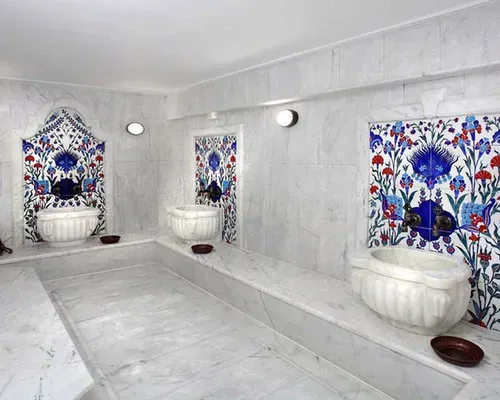
A Turkish bath at home invites a calm, spa-like ritual that blends warmth, scent, and mindful self-care into daily life. Designing a hammam at home means shaping atmosphere, humidity, and gentle heat so the experience feels intimate rather than industrial. The essence isn’t a perfect clone of a Turkish spa, but the rhythm of cleansing, steam, and mindful breathing that leaves skin refreshed and mood lifted. With a few well-chosen tools and a cozy space, you can turn a standard bathroom into a personal wellness retreat that supports regular self-care. This guide offers practical tips to set the scene, establish a beginner-friendly routine, and savor an authentic, relaxing ritual right at home.
Turkish bath at home: Designing a Hammam-Inspired Space
Creating a hammam-inspired ambiance starts with the space itself. For a Turkish bath at home, aim for a balance of warmth, humidity, and subdued lighting that invites slow, deliberate movements. Soft textures, like cotton towels and a plush robe, pair with gentle scents such as eucalyptus or mint to evoke the traditional bathhouse without turning your bathroom into a sauna. By shaping the environment, you set the stage for a more authentic turkish bath experience right in your own home.
Think about airflow and moisture management as you plan layout and traffic flow. A comfortable, non-slip mat and a reachable stash of kese (exfoliating mitt), olive oil-based soap, and moisturizer help maintain the ritual’s rhythm. The goal is to craft a private sanctuary where steam feels soothing rather than overwhelming, so you can focus on mindful breathing and the cleansing sequence that defines the hammam at home.
Hammam at Home Essentials: Tools, Products, and Techniques
A practical toolkit makes the Turkish bath at home both enjoyable and sustainable. Start with a high-quality exfoliating mitt (kese) and a mild olive oil-based soap; these form the core of the cleansing ritual and help you remove dead skin while preserving moisture. Add a lightweight body scrub or sabun kese blend for periodic exfoliation, and consider a small amount of oil or moisturizer to seal hydration after the session.
Other essentials include a soft towel, a microfiber robe, and a sturdy chair or stool to keep comfortable during the ritual. If your bathroom can tolerate it, a portable humidifier or steam bowl can boost humidity between sessions. With these tools, you can recreate an authentic hammam feeling at home without costly spa equipment, enabling a repeatable, DIY Turkish bath routine.
DIY Turkish bath Routine: Step-by-Step to a Calm, Rejuvenating Session
A repeatable routine is the heartbeat of a successful DIY Turkish bath. Begin with a prepared, warm space to encourage steam while protecting your skin from excessive heat. Use a gentle rinse to open pores, then cleanse with olive oil soap and apply the kese in slow, circular strokes to exfoliate and boost circulation.
Next, re-apply soap or a light scrub on tougher areas and maintain slow, steady breathing. Allow 5–10 minutes of gentle steam to soften skin and invite moisture in. Finish by moisturizing while the skin is still damp, and consider a brief facial steam followed by a light mask if you enjoy extending the ritual. This rhythm mirrors the flow of a traditional hammam but is tailored for home use.
Ambience, Safety, and Comfort: Turning Your Space into a Home Spa Steam Bath
Atmosphere matters as much as technique when pursuing an authentic turkish bath experience at home. Dim, warm lighting, soft music, and subtle essential oils help frame the ritual as a relaxing escape rather than a routine bath. By carefully managing humidity and heat, you create a soothing environment that supports slow, mindful movements and deep breathing.
Safety comes first, especially with steam and heat. Stay hydrated, watch for signs of overheating, and adjust temperature to a comfortable level. Keep skin sensitivity in mind and avoid aggressive exfoliation if you have conditions that could be aggravated by steam. With steady practice, the home spa steam bath becomes a dependable wellness habit rather than a novelty.
Seasonal and Spatial Adaptations to Preserve the Authentic Turkish Bath Experience
Your space doesn’t have to be a full spa to deliver an authentic Turkish bath experience. In smaller or shared spaces, opt for compact seating, a foldable kese, and a handheld steam wand to simulate hammam rituals without sacrificing safety or convenience. Seasonal changes also dictate the rhythm—longer, warmer sessions in winter and lighter, shorter rituals in summer help maintain comfort.
Whether you’re pursuing a full home spa routine or a lighter, DIY Turkish bath, the core experience remains the same: warmth, cleansing, and mindful relaxation. Use this flexibility to tailor the ritual to your lifestyle, ensuring the authentic turkish bath experience stays sustainable, enjoyable, and accessible in your own space. Regular practice turns a simple bathroom into a personal sanctuary.
Frequently Asked Questions
What is a Turkish bath at home and how can I recreate the hammam at home experience?
A Turkish bath at home is a mindful ritual that blends warmth, steam, cleansing, exfoliation, and quiet self-care. To recreate the hammam at home experience, set up a space with comfortable humidity, gather a kese, an olive oil-based soap, a washcloth, and a non-slip mat, and follow a simple rhythm: cleanse, exfoliate, steam, then moisturize. Focus on atmosphere and slow, deliberate movements to capture the essence of the hammam without turning your bathroom into a full spa.
What tools and products are essential for a DIY Turkish bath at home?
For a DIY Turkish bath, start with a kese exfoliating mitt, a natural olive oil-based soap, a gentle body scrub, a nourishing oil or moisturizer, towels and a robe, and a small chair or stool for comfort. A shower or steam setup helps generate humidity, and a portable humidifier can sustain moisture between sessions. These essentials let you perform the traditional rhythm at home without needing a full spa.
How do I design a comfortable space for a home spa steam bath that feels authentic?
Aim for warmth and humidity without overheating. Close the door and use a hot shower or a steam source to create moist air, keeping kese, soap, and a towel close at hand. Add soft lighting, a gentle scent, and a non-slip mat to set the hammam mood; a small humidifier helps between sessions. This setup supports an authentic home spa steam bath experience while keeping safety and comfort in focus.
What is the step-by-step routine for achieving an authentic turkish bath experience at home?
Follow a repeatable sequence: 1) Prepare and warm the space. 2) Cleanse and relax. 3) Exfoliate and renew with the kese. 4) Steam, relax, and hydrate. 5) Moisturize and unwind. 6) Optional facial care. During each step, breathe slowly, stay mindful of your body’s signals, and hydrate to complete the authentic turkish bath experience.
What safety tips should I follow for a Turkish bath at home?
Don’t overheat; if you feel dizzy, faint, or overly flushed, step out and cool down. Hydrate before, during, and after the session, and be cautious with skin sensitivity—avoid aggressive exfoliation on irritated skin. If you have skin conditions or open wounds, consult a dermatologist. Clean your kese after use and store products in a cool, dry place to prevent bacteria buildup.
| Aspect | Key Points |
|---|---|
| Concept and purpose | A Turkish bath at home blends warmth, scent, and calm to transform a bathroom into a personal wellness retreat. It aims to capture the hammam ritual—gentle cleansing, exfoliation, steam, and mindful self-care—without replicating a spa exactly. |
| Core components of the hammam ritual | Three core elements: warmth and humidity, a cleansing routine, and a relaxing finish, with slow breathing and mindful movement to mirror the traditional ritual. |
| Space and atmosphere design | Create a inviting space with humidity, comfortable warmth, soft lighting, and gentle scents (eucalyptus, mint, lemon). Keep the area clean and prep essential items within reach. |
| Essential tools and products | Kese exfoliating mitt; natural olive oil-based soap; gentle body scrub; lightweight oil or moisturizer; towels, robe, stool; steam support (shower steaming or humidifier). |
| Simple routine (beginner-friendly) | 1) Prepare space; 2) cleanse with warm water and olive soap; 3) exfoliate with kese; 4) steam and relax; 5) moisturize; 6) optional facial care; 7) finish with quiet rest. |
| Ambiance tips | Use aromatics, warm lighting or candles, a quiet space, and maintain consistency by scheduling regular sessions. |
| Safety considerations | Avoid overheating; monitor skin sensitivity; stay hydrated; clean kese after use and store products properly. |
| DIY variations for different spaces | Adapt for small apartments or family use; seasonal variations; portable tools and simplified routines to fit space. |
| Outcomes and benefits | Unwind, improve skin texture, boost circulation, nurture mindfulness, and create a personal sanctuary at home. |
Summary
Turkish bath at home offers a meaningful way to slow down, nurture the skin, and cultivate a sense of pampered well-being. By understanding the hammam tradition, creating a comfortable space, and following a mindful routine, you can enjoy an authentic Turkish bath experience without leaving your home. The ritual is about more than cleansing; it’s a moment of rest and self-care that you can tailor to your needs, space, and lifestyle. With practice, your home spa becomes a reliable sanctuary—an invitation to breathe deeply, move slowly, and emerge feeling refreshed, balanced, and renewed.