
A Geopolitical Breakthrough Reshapes Global Markets
The international financial ecosystem is experiencing a day of unprecedented trading volume following a stunning, highly historic diplomatic breakthrough in Switzerland. In a surprise joint conference, diplomats announced a tentative US-Iran peace framework aimed at permanently de-escalating decades of intense geopolitical friction. This monumental accord has instantly triggered a massive, highly synchronized realignment across global equity and commodity markets.
For consecutive quarters, international investment funds have heavily priced in a steep geopolitical risk premium due to escalating naval tensions in the Middle East. The sudden, unexpected reversal of this adversarial stance has forced institutional algorithms and retail investors to aggressively reallocate capital. The immediate macroeconomic result is a spectacular, record-breaking surge across major global stock indices, contrasted by a dramatic collapse in crude oil futures.
Global Stock Indices Experience Historic Single-Day Gains
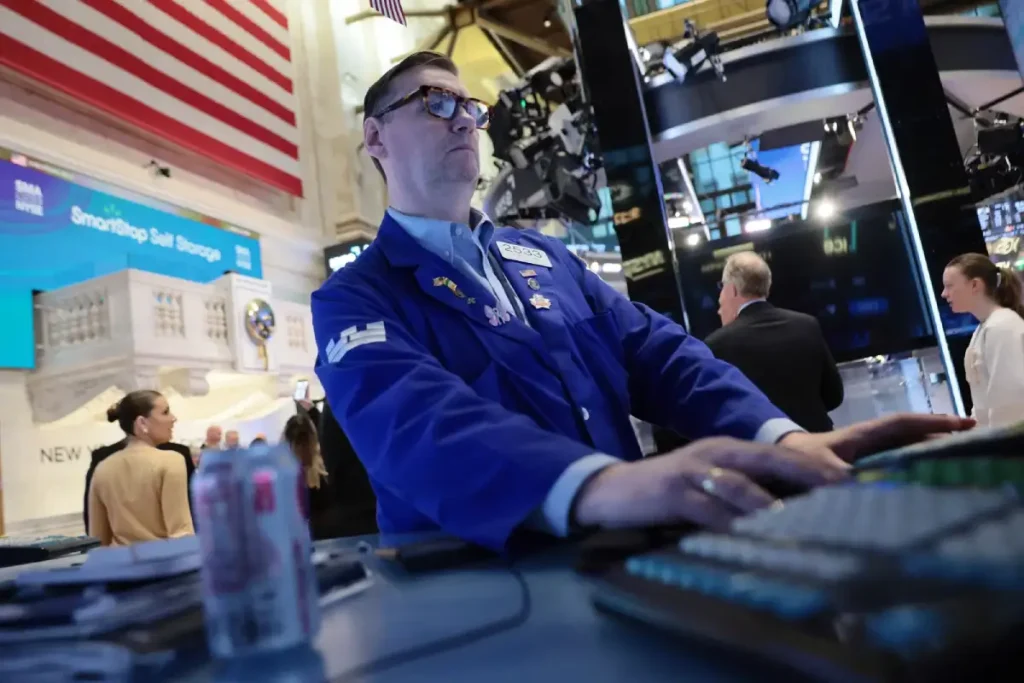
Trading floors from Tokyo to New York erupted into a frenzy of aggressive buying immediately following the official confirmation of the US-Iran peace framework. On Wall Street, the benchmark S&P 500 and the Dow Jones Industrial Average blasted through previous all-time highs within the first hour of regular trading. Market analysts note that the sudden removal of supply-chain conflict risks has unleashed a massive wave of pent-up capital back into equities.
The massive market rally was heavily led by multinational shipping corporations, international aviation groups, and global technology manufacturers. Sectors that rely heavily on stable maritime transit corridors are celebrating the prospect of long-term stability in the Strait of Hormuz. This incredible influx of optimistic capital demonstrates how profoundly international diplomacy dictates the absolute **velocity of global corporate commerce**.
Crude Oil Prices Plunge as Supply Anxiety Evaporates
While equity investors cheer the diplomatic breakthrough, commodity trading pits are witnessing a historic, absolute rout in energy valuations. Prior to the announcement of the tentative US-Iran peace deal, Brent crude and West Texas Intermediate futures hovered near multi-year highs. However, the formal easing of sanctions means that millions of barrels of frozen oil are officially preparing to flood back into the global economy.
Energy analysts calculate that a fully reintegrated Iranian energy sector could reliably introduce over one.five million barrels of daily production back into global shipping lanes. This massive projected supply surplus completely erases the structural deficits that previously plagued European and Asian energy grids. Consequently, crude oil prices plummeted by over twelve percent in a single session, marking the sharpest single-day decline seen in **nearly four consecutive years**.
Navigating the Nuances of the Sanctions Easing Timeline
A highly critical component of the newly unveiled framework centers on the highly structured, step-by-step rolling back of comprehensive trade embargoes. To maintain strict compliance, Western authorities will systematically verify internal nuclear monitoring milestones before unlocking restricted financial channels. Successfully executing this complex administrative timeline is vital to transforming the temporary US-Iran peace into a permanent economic reality.
The initial phase of the agreement authorizes the immediate release of frozen banking assets exclusively for regulated humanitarian trade and food supplies. Subsequent phases will gradually open the doors for international energy conglomerates to safely resume joint-venture infrastructure projects within the region. This highly disciplined progression ensures that local markets can gradually absorb the massive structural shifts without suffering from **extreme inflationary shocks**.
Central Banks Face a New Macroeconomic Reality
The dramatic convergence of soaring equity markets and plunging energy costs presents global central banking authorities with a fascinating, highly complex economic calculus. For months, monetary policymakers have aggressively battled stubborn, energy-driven inflation by maintaining elevated baseline interest rates. The sudden, massive drop in crude oil prices will naturally accelerate the downward trajectory of **global consumer price indices**.
With immediate inflationary pressures rapidly deflating, central bankers possess the necessary economic justification to potentially begin cutting interest rates ahead of schedule. This highly anticipated easing of monetary policy would provide a secondary, incredibly powerful injection of liquidity directly into global businesses. The strategic alignment of a solid US-Iran peace framework and cheaper capital could spark a sustained, multi-year economic expansion cycle.
Long-Term Implications for Emerging Market Economies
Beyond the immediate, highly publicized reactions of Western stock tickers, the geopolitical accord carries profound, life-changing benefits for developing nations. Emerging market economies have historically suffered the most from volatile energy spikes, which drain sovereign currency reserves and cause severe domestic inflation. The dramatic stabilization of commodity costs directly insulates these high-risk regions from **devastating balance-of-payments crises**.
Furthermore, an enduring regional stabilization invites a massive wave of fresh foreign direct investment into previously neglected infrastructure projects. As international shipping lanes become fundamentally safer, global trade networks will expand efficiently, lowering logistics costs across the Southern Hemisphere. Embracing the extensive benefits of this US-Iran peace deal allows the international community to successfully forge a more integrated, highly resilient global trading ecosystem.
Conclusion
In conclusion, the tentative diplomatic breakthrough marks a monumental, highly transformative turning point for both global geopolitics and international financial systems. By initiating a credible path toward US-Iran peace, negotiators have successfully dismantled severe market anxieties, sending stocks to record highs while oil values plunge. As the complex implementation phases begin, the world stands on the absolute threshold of a prosperous, highly secure economic era.
Frequently Asked Questions (FAQ)
Question 1: Why did the US-Iran peace announcement cause global stock markets to soar?
The tentative agreement eliminated severe geopolitical risk premiums, securing critical maritime shipping lanes and boosting investor confidence worldwide.
Question 2: What caused the dramatic, single-day plunge in global crude oil prices?
Prices plummeted because the easing of economic sanctions allows millions of barrels of previously restricted Iranian oil to flood back into international markets.
Question 3: Which specific business sectors benefited the most from this market rally?
The stock rally was aggressively led by multinational shipping firms, commercial airlines, and tech manufacturers due to lower fuel and supply chain costs.
Question 4: How will this diplomatic breakthrough impact future central bank interest rates?
The plunge in oil prices will heavily lower inflation, giving central banks the economic room to safely lower interest rates ahead of schedule.
Question 5: Where did the secret diplomatic negotiations officially take place?
The historic, surprise framework was meticulously negotiated and finalized during confidential summits held in Geneva, Switzerland.